


















Forestry and Environmental Monitoring
13. 2. 2024
Ecological Research
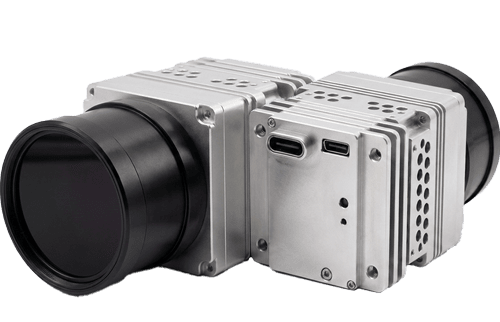
13. 2. 2024In the realm of civil engineering and infrastructure management, ensuring the structural integrity of critical assets such as buildings, bridges, dams, and chimneys is paramount. Advanced camera technology, particularly those specialized for structural analysis, plays a crucial role in this endeavor. These cameras are adept at detecting a range of issues that could compromise structural integrity, including heat loss, water leakage, structural defects, and areas of corrosion. By providing detailed insights into these potential problems, such cameras significantly aid in preventative maintenance efforts, ultimately ensuring the safety and longevity of infrastructure.
The Importance of Cameras in Structural Analysis
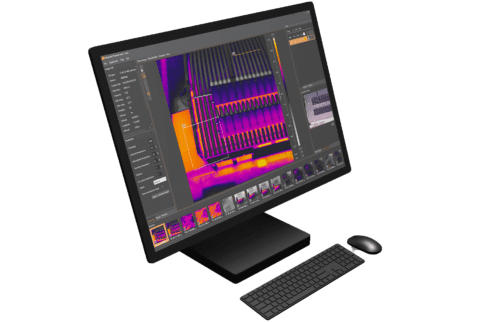
Utilizing advanced imaging technology, these cameras offer a non-invasive means of inspecting infrastructure. They can reveal abnormalities in thermal patterns indicating heat loss or moisture intrusion, both of which can lead to long-term structural damage if left unaddressed. Similarly, they can highlight areas of potential corrosion or structural weakening, allowing for targeted maintenance and repair work.
Advantages for Infrastructure Management
- Early Detection of Issues: By identifying structural defects and vulnerabilities early, these cameras can prevent minor issues from developing into major structural failures.
- Cost-Efficiency in Maintenance: Targeted maintenance based on precise diagnostics can significantly reduce overall maintenance costs by focusing resources where they are most needed.
- Enhanced Safety: Regular inspections using advanced camera technology can ensure that infrastructure remains safe for public use, reducing the risk of accidents and failures.
- Extended Infrastructure Lifespan: Proactive maintenance and repair, guided by detailed imaging analysis, can extend the useful life of infrastructure components, making them a cost-effective solution in the long term.
Implementing Camera Technology for Structural Analysis
Effective implementation of camera technology in structural analysis involves several key strategies:
- Regular Inspection Schedules: Establishing a routine schedule for inspections allows for continuous monitoring of infrastructure health and early detection of potential issues.
- Integration with Maintenance Protocols: The insights gained from camera inspections should be seamlessly integrated into existing maintenance protocols, ensuring that data-driven decisions guide repair and maintenance efforts.
- Training and Expertise: Personnel conducting inspections should receive specialized training in camera operation and data interpretation to maximize the effectiveness of the technology.
Overcoming Challenges
While the use of cameras in structural analysis offers numerous benefits, challenges such as the initial investment in technology, the need for specialized training, and the integration of camera data into existing infrastructure management systems must be addressed. Despite these challenges, the potential for improved safety, efficiency, and cost savings makes the adoption of this technology a strategic choice for infrastructure management.
The Future of Structural Analysis
As technology continues to advance, the capabilities of cameras for structural analysis are expected to grow. Future developments may include higher resolution imaging, enhanced data analytics capabilities, and the integration of artificial intelligence for automated defect detection, further revolutionizing the field of infrastructure inspection and maintenance.
Conclusion
Advanced camera technology represents a significant advancement in the field of structural analysis, offering a powerful tool for inspecting the integrity of infrastructure. By facilitating the early detection of potential problems and guiding targeted maintenance efforts, these cameras play a crucial role in ensuring the safety, efficiency, and longevity of buildings, bridges, dams, and other critical structures. As the demand for sustainable and safe infrastructure continues to rise, the role of advanced imaging in structural analysis will undoubtedly become increasingly vital.